
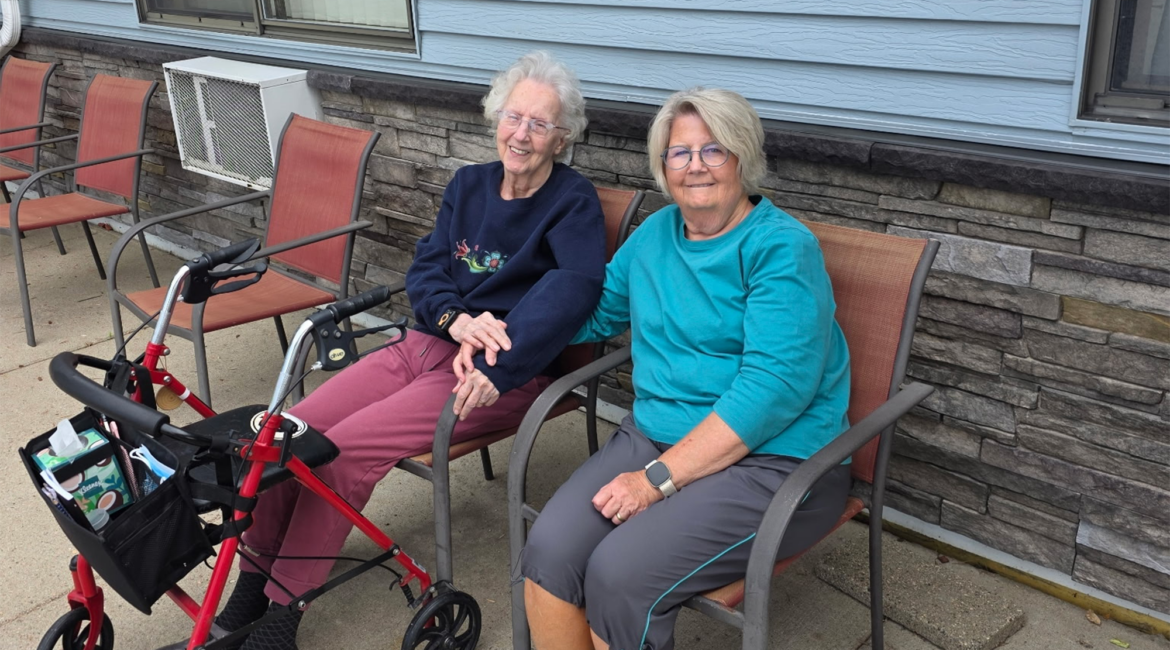
Luilla Lusty spent her career teaching sixth grade. One of her students was her own daughter, Lori Scharmer. Outside the classroom, Luilla loved music, reading, visitors, and opportunities to be around people.
In 2021, Luilla moved from Texas to Minot, North Dakota, to be closer to family. As Lori explored places for her mom to live, one possibility at Edgewood stood out. Luilla could receive more support within the same community as her needs changed.
Luilla settled into an apartment at Edgewood Minot Assisted Living. She loved her apartment, enjoyed the little library, and wanted to be there when music was on the schedule. Over time, the community and the people in it became familiar. Edgewood became home.
Keeping Luilla Home as Her Needs Changed
As Luilla’s dementia progressed, finding her way around the building became harder. She moved to a smaller memory care setting that was easier for her to navigate while remaining at Edgewood.
Changes in Luilla’s health also led to trips to the emergency room. Lori remembers one visit when her mom spent hours waiting to be discharged. The ambulance ride, long wait, and unfamiliar surroundings took a toll on Luilla. Her family wanted to spare her those stressful experiences whenever possible and keep her comfortable in a reassuring environment.
Their parents had spoken openly about their wishes for end-of-life care, so Lori and her sister knew what mattered to their mom. As they considered what came next, keeping Luilla in familiar surroundings became a priority.
A Conversation About Palliative Care
 Chelsea Vollmer, NP, a Legacy Medical family nurse practitioner serving Minot, introduced the family to palliative care. Lori and her sister hadn’t heard of it before. Chelsea explained how this care could support Luilla at Edgewood and gave them time to ask questions.
Palliative care helps people living with a serious illness manage symptoms and make care decisions based on their goals.
“We were able to ask the questions, and we just thought it was a perfect fit for Mom,” Lori said.
The family chose a plan that prioritized Luilla’s comfort at Edgewood. Chelsea could continue caring for her on site and stay in touch with the Edgewood nurses who saw her every day.
“Palliative care is not giving up hope. It’s about focusing care on what matters most to the patient and their family: comfort, dignity, and quality of life.”
Chelsea Vollmer, NP, Legacy Medical
Meet Chelsea and the Legacy Medical team
Daily Life With More Support
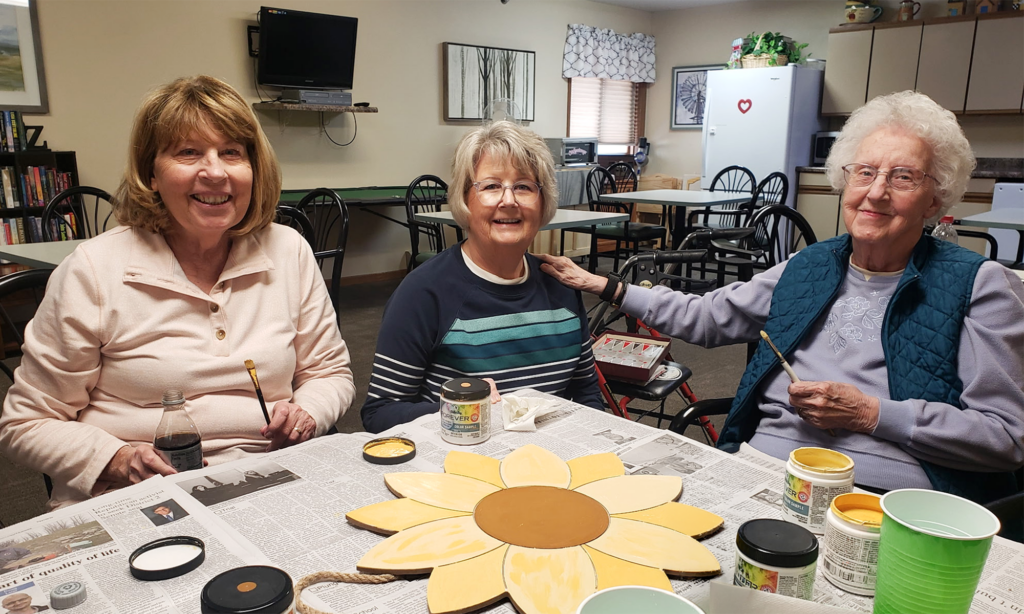 For a time, much of Luilla’s daily life carried on as usual. She could still get up and walk on her own. Staff reminded her when it was time for meals and invited her to activities.
Lori remembers telling her mom that a caregiver was coming to help. Luilla said she didn’t need a caregiver. When Lori said a friend was coming to help, that made sense to her. To Luilla, the people coming through her door were friends.
As Luilla’s needs increased, the Edgewood team kept her family informed. They shared the funny things Luilla said and the sweet moments they had with her, giving Lori glimpses of her mom’s day she would otherwise have missed.
Following another hospital visit, Luilla returned to Edgewood needing additional support. Her family arranged for extra caregiver assistance, and as her needs changed, she transitioned to hospice care with CaringEdge Minot. Through it all, Luilla was able to remain in the familiar comfort of her home at Edgewood.
By then, Luilla could no longer get out of bed on her own. Lori remembers how much it helped to have a hospital bed brought in so caregivers could more easily assist her.
Working Together Around Luilla
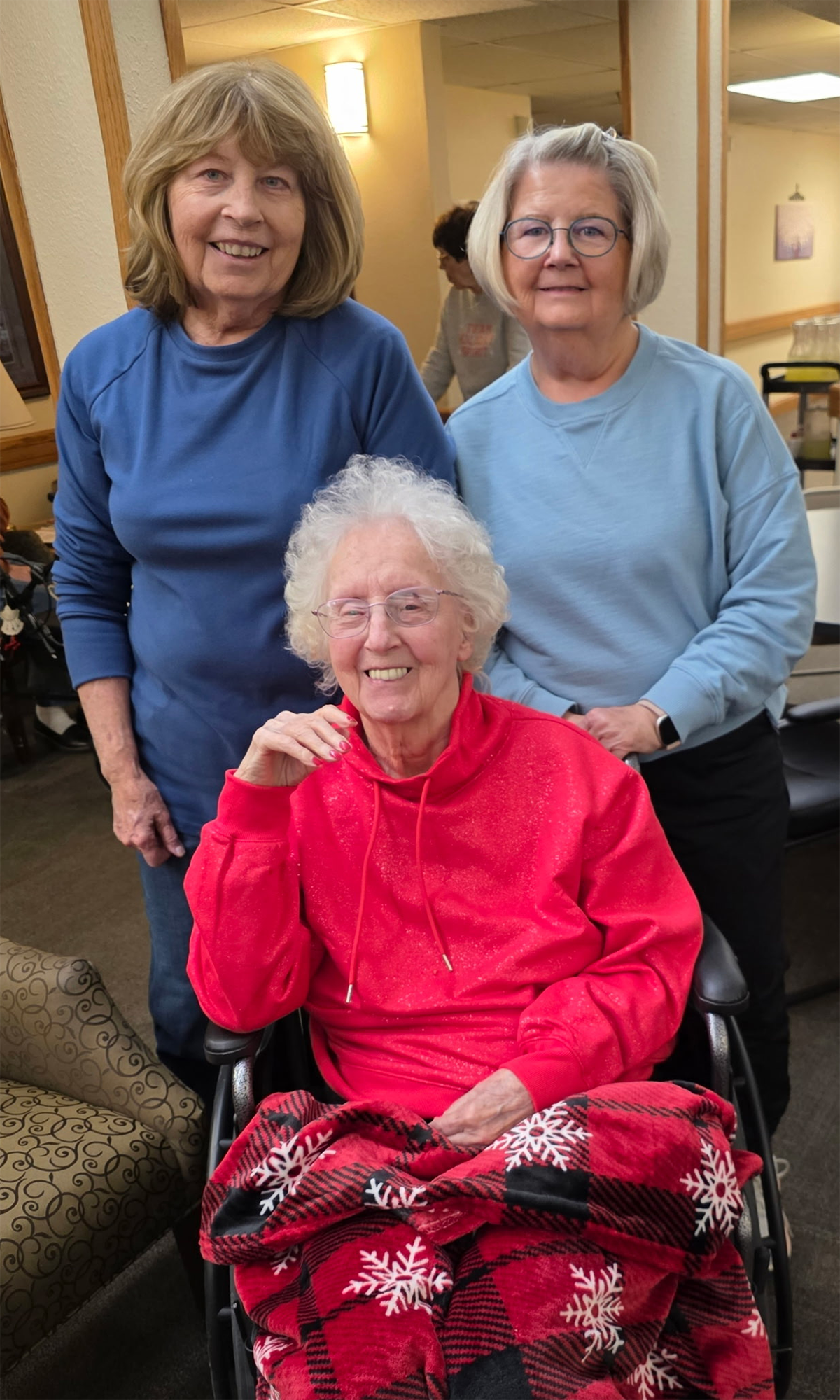 Each part of Luilla’s support helped her remain at Edgewood. The Edgewood team provided daily assistance and updates to her family. Chelsea offered on-site palliative care and helped the family talk through decisions, including questions about Luilla’s pacemaker follow-up. CaringEdge provided hospice care as she approached the end of life.
Lori and her sister brought their understanding of their mom’s wishes to those conversations and arranged additional caregiver help as she needed it. Together, the family and care teams adjusted Luilla’s support within the community she knew.
Understanding Palliative Care and Hospice
Palliative care and hospice both focus on comfort and quality of life. Palliative care can begin at any stage of a serious illness and can be provided alongside treatment for that illness.
Hospice supports people approaching the end of life when care goals focus on comfort rather than curing the terminal illness. It also provides support for families. A healthcare provider can help explain which services may fit a person’s needs and wishes.
This November, during National Hospice and Palliative Care Month, consider starting a conversation with your loved one and their provider about what matters most to them. To learn more about on-site palliative care through Legacy Medical, email info@legacymedical.com.
